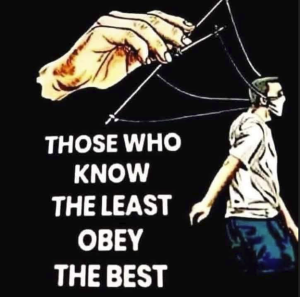



















“The Emperor has no clothes” is a phrase derived from Hans Christian Andersen’s fairy tale, symbolizing the exposure of pretentiousness and the importance of honesty in society.
Summary of the Story
“The Emperor’s New Clothes” tells the tale of a vain emperor obsessed with fashion. Two conmen arrive in his kingdom, claiming they can create magnificent clothes that are invisible to anyone who is incompetent or unfit for their position. The emperor, eager to appear wise and competent, pretends to see the clothes, as do his ministers and the townspeople, fearing they will be deemed foolish. During a grand parade, a child exclaims that the emperor is wearing nothing at all, revealing the truth and shattering the collective illusion. Despite the revelation, the emperor continues the procession, unwilling to admit his embarrassment.
Meaning and Cultural Significance
The phrase “the emperor has no clothes” has evolved into an idiom used to describe situations where people are unwilling to acknowledge an obvious truth due to fear of social repercussions or the desire to conform. It highlights the absurdity of collective denial and the importance of honesty. The story serves as a cautionary tale about vanity, pride, and the consequences of deception.
DigitalCultures
In contemporary contexts, the phrase is often applied to critique situations where individuals or institutions are celebrated despite lacking substance or merit. It can refer to various scenarios, such as art, politics, or business, where the truth is obscured by pretense or societal pressure. The phrase encourages individuals to speak out against falsehoods and recognize the reality behind appearances.
“The Emperor’s New Clothes” remains a powerful reminder of the value of honesty and the dangers of collective delusion in society.
"Why would I consider the importance of adding this article to my BLOG discussion? As I reflect on our leader's journey from the moment power was attained, I can't help but recall numerous incidents and pivotal moments that have made me draw parallels between their actions and those of a historical emperor. The way they navigate challenges, assert their authority, and influence the people around them is strikingly similar to the tactics and strategies employed by emperors throughout history."
Dale...