













Give me your feedback on each section of the proposed rule changes. I have underlined what I consider to be issues with this proposel
Definitions:
- LSV-A low speed vehicle (LSV) is a vehicle with a top speed greater than 20 MPH, but not greater than 25 MPH is also referred to as vehicle.
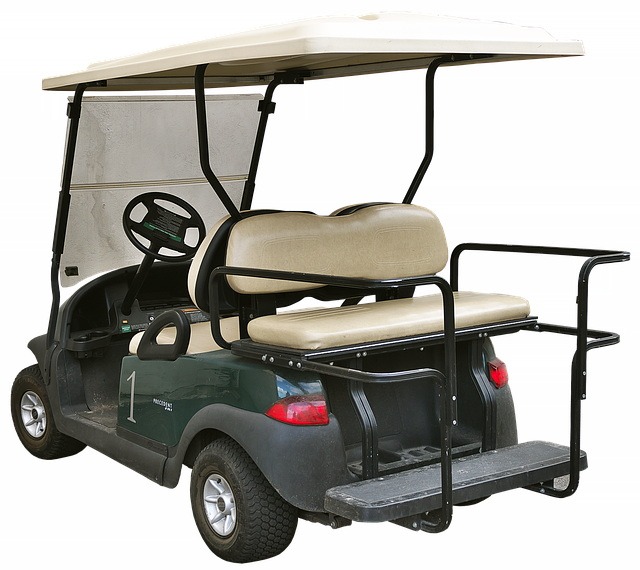
- Golf Cart- A motor vehicle that is designed and manufactured for operation on a golf course for sporting or recreational purposes and that is not capable of exceeding speeds of 20 miles per hour is also referred to as vehicle.
Requirements:
- NLYH Registration: All NLYH members using Golf carts and LSV vehicles on NLYH property are required to register their vehicles with the NLYH office once per calendar year. NLYH will provide a numbered sticker which must be attached to the lower driver side wind shield so that is easily visible by the board members. New NLYH Registration stickers will be issued each calendar year. Proof of insurance is required before a sticker is issued.
- NLYH registration stickers are only valid for park use. LSV vehicles driven on public roads must be registered with the Florida department of motor vehicles and must have the insurance coverage amounts required by both Florida DMV and NLYH
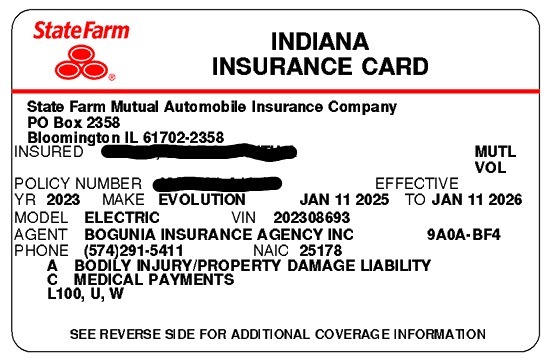
- Insurance: Golf carts and LSV vehicles owners are required to submit proof of insurance. This insurance must be a separate policy from the Homeowners insurance policy. All household drivers of the Golf carts and LSV must be listed on this policy. Golf carts and LSV vehicles operated on NLYH property require minimum insurance coverage of $300,000 liability and $50,000 property damage. An up-to-date copy must be on file at the NLYH inc. Business Office.
The insured length will be a minimum of one year. Owners may purchase additional coverage if so desired.
- Traffic Rules and Regulations: Golf carts and LSV vehicles must always operate in a safe manor and obey all posted traffic signs, speed limits and reduced speeds because of adverse driving conditions. Drivers and passengers are to ride in seating provided by manufacturers. All passengers must be seated when in use. Seat belts should be worn if they were provided by the manufacturer.
- Accidents: Promptly report any accident resulting in injury to a person or damage to property belonging to another person, to NLYH office and to the appropriate law enforcement agency.
- Age Restrictions: Golf carts and LSV vehicles drivers are required to have a current valid driver’s license and be over the age of 16.
- Equipment requirements: Golf carts and LSV Vehicles must be equipped with efficient brakes, reliable steering apparatus, safe tires, a rearview mirror, warning device such as a horn and red reflectorized warning devices in both the front and a rear triangular reflective “slow vehicle” emblem.
- Night driving: Proper lighting is required during nighttime operation and It’s the owner’s responsibility to keep these lights in working condition. Night driving requirements include working head light, taillights, brake lights, audible warning devices, reflectors on front a rear triangular reflective “slow vehicle” emblem. Golf carts and LSV vehicles without the required lighting may only be operated during daylight hours Daylight hours defined at ½ hour after sunrise and ½ hour before sunset.
- Parking: Golf carts and LSV vehicles must only be parked within the members’ or occupants’ carport, driveway, or suitable hard standing surface as approved by the Board. The dimensions of the golf cart parking area cannot exceed 5 feet wide and from the road to the front of the house parallel with the driveway. The golf cart pads must be constructed of removable material in order to allow access to underground wiring/pipes of NLYH. Golf carts and LSV vehicles are allowed only on establishing designated parking areas only. Parking on community owned lawn is prohibited.
- Excessive Noise: Gas power Golf carts and LSV vehicles powered shall not be modified or have defective exhaust system making excessive noise, excessive noise levels are at the discretion of the board and will be subject to the rules of enforcement.
- Lithium batteries: Golf carts and LSV vehicles equipped with Lithium batteries. Lithium Batteries pose a significant threat of fire in the case of flooding. It is the Members’ responsibility that Golf Carts, and LSV vehicles be removed to a safe location in the event of extreme weather event which may include flooding. The Golf Cart is only to be charged when the member is present for the season and disconnected if the member leaves NLYH for more than one day. Once the charging is completed the Golf cart or LSV must be removed from the charging source.
- In event of saltwater flooding: Any smoke or unusual noises from the Golf Cart or LSV could indicate damage and potential fire. If this is the case the Member must immediately contact local emergency responders and notify the Board of Directors. The member is not to charge or drive the vehicle if the Golf cart or LVS is suspected to have been damaged by flooding. The Board of Directors also advises members to avoid approaching damaged electric vehicles and to avoid storing them indoors or near structures due to the risk of fire or hazardous gases. The Board of Directors recommends distances of at least 50 feet from any structure or other damaged vehicles with lithium batteries. If a damaged Vehicle cannot be immediately towed, The Board of Directors recommends requesting assistance from emergency responders to safely disconnect the battery pack from the vehicle. A dealer or a mechanic certified for Golf cart and LVS repair must inspect the Golf cart or LSV Vehicle before it returns to NLYH. These inspection reports must be presented and approved by NLYH prior to returning the vehicle to the park
- Fines. Assessment for violations: Any violation of the parking, traffic and registration rules shall be subject to a $50.00 assessment for the Board of Directors’ involvement. These fines can be applied to usage, registration and storage of Golf carts and LSV vehicles. NLYH reserves the right to remove any flood damaged Vehicle at the owner expense from the park.
- Fee: An administrative fee of $15.00 dollars will be collected at the time of NLYH registration. This fee can be changed at the discretion of the BOD.
My golf cart is fully insured, and I am truly thankful for that, especially after experiencing the devastation caused by Hurricane Irma. Today, most communities, campgrounds, and golf courses do require that private golf cart owners maintain insurance policies, ensuring protection for both the property and the individuals involved. This requirement not only provides peace of mind but also demonstrates responsibility and care for the safety and well-being of everyone in these shared spaces.
Florida
Understanding the insurance requirements for golf carts and low-speed vehicles (LSVs) in Florida is essential to ensure compliance with state laws and protect yourself in case of accidents or incidents. While traditional golf carts used solely on golf courses typically do not require insurance, LSVs designed for on-road use must have personal injury protection (PIP) and property damage liability insurance (PDL) as mandated by Florida law. Exploring additional coverage options with your insurance provider can provide extra protection and peace of mind.
"As for the proposed changes regarding insurance, I fully agree that having coverage for my golf cart is a sensible idea. However, I find it unacceptable to pay a fee of $15.00 just for a sticker to indicate that insurance is in place. What’s next on the agenda, a sticker for my boat as well? It seems rather excessive to me. Additionally, I must point out that the HOA doesn't even enforce car stickers as rigorously as they used to, which makes the sticker requirement feel even more unnecessary and frustrating!"
Dale...